
 Book Consultation



By clicking Submit, I agree to have read & understood the Terms & Conditions and Privacy Policy of Narayana Health & give my consent to contact me.
Bariatric surgery is a weight loss surgery also known as metabolic surgery. It works by reducing the food intake and nutrients your body can absorb by removing the excess stomach and thus reducing the hormones responsible for hunger.

 Weight Loss
 Overcome obesity-related conditions:
Migraine 57%  |
Depression 55% |
| Pseudotumor cerebi 96% |
Obstructive sleep apnea 74% |
| Asthma 69% |
High cholesterol 63% |
| High blood pressure 69% |
Non-alcoholic fatty liver 90% |
| Metabolic syndrome 80% |
GERD 72% |
| Type-2 diabetes 83% |
Polycystic ovarian syndrome 32% |
| Hirsutism 79% |
Menstrual dysfunction 100% |
| Urinary stress incontinence 44% |
Joint/bone-related diseases 57% |
| Venous stasis disease 95% |
Gout 72% |
 Improved quality of life

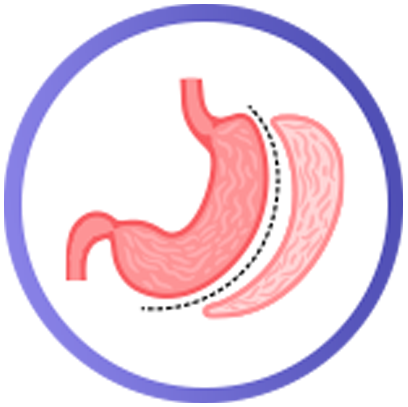
Part of the stomach is separated and removed from the body. The remaining section of the stomach is stapled into a tubelike structure. This smaller stomach cannot hold as much food. It also produces less hunger hormone, which may lessen your desire to eat.
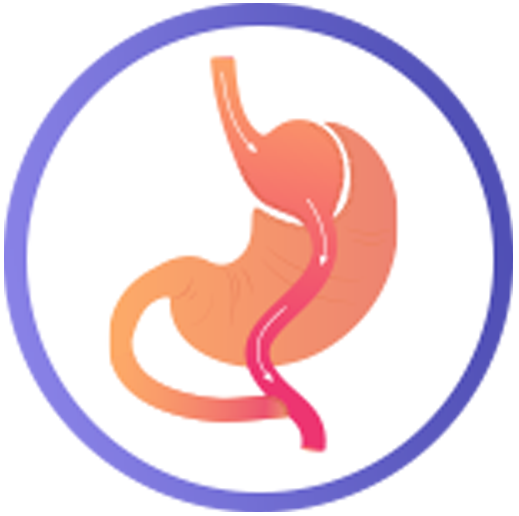
A small pouch from the stomach is created and connected newly created pouch directly to the small intestine.
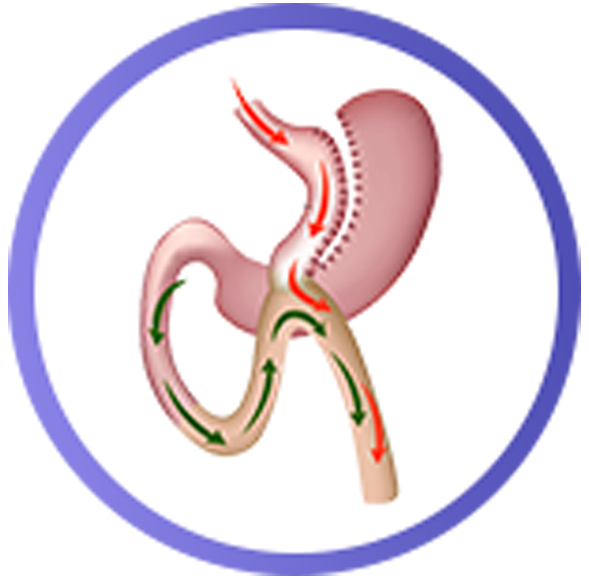
A mini gastric bypass surgery functions just like a traditional gastric bypass surgery, where the stomach is divided into upper and lower pouches and the small intestine is rerouted. This allows for both restrictive and malabsorption weight loss.
• Consult a doctor to verify if the surgery is right for you
• Be ready to implement healthy changes to your lifestyle
• Consult a dietician
• Consult fitness expert
• Adopt a physical activity-related hobby

 Fewer Complications
 Less blood loss and pain
 Computerised Measurements
 Eliminates the chance of human errors
 Shorter hospital stays
 Lower rate of infection
 A faster and smoother recovery
 Better suturing capabilities
 Ability to monitor blood supply
 Technologically advanced motion control
 Lower rate of gastrointestinal leaks
 Low risk of needing a follow up surgery
Excess body weight can lead to many obesity-related problems and impacts your health in long term, these include:

Set point theory states that our body has a base body weight preset encoded on our DNA. Whenever we try to increase or decrease our body weight, this preset ensures that the body weight does not change too much. Let us see how it works:








| Myth | Fact |
| Bariatric surgery has many risks | Risks are associated with every surgical procedure and are dependent on an individual. Consult a doctor to verify if surgery is ideal for you. |
| Bariatric surgery has many complications | Bariatric surgery may have problems that obesity can cause over the long term, but if a healthy lifestyle is adopted, bariatric surgery can help you lead a healthy life. |
| Bariatric surgery destroys normal digestion | Malabsorptive surgeries limit digestion to absorb fewer nutrients. You may need to take vitamin and mineral supplements. Your surgeon will advise on how to maintain the optimum nutrient level needed by your body. |
| I won’t be able to eat what I like after surgery | You can eat what you like but in moderation. Consult your dietician and follow the plan to maintain health. |
| I will have a big scar because of the surgery | Bariatric surgery is minimally invasive, meaning it requires only small cuts to perform surgery, hence very small scars. |

Although bariatric surgery requires an initial investment, your health care expenses will be lowered over the long term compared to treatment costs. Also, medical costs increase with time, hence it's recommended to undergo the surgery as soon as possible.
Your ability to return to work as normal depends on your physical condition and the type of work you do. Generally, patients can resume work within one to two weeks post-surgery. You may feel low on energy levels initially post-surgery.
It is recommended to wait at least 16-24 months to try and get conceived as demands of pregnancy on your body and the potential of damage to the fetus may be high post-surgery. It is essential to use birth control during this phase.
Post-surgery dietary guidelines vary with individuals. Your surgeon will advise on diet recommendations. After surgery, your appetite will have reduced and will be much easier to control your food habits.
Since the surgery causes the nutrient absorption to reduce, you may need to take vitamin and mineral supplements. The requirements change as per individuals. Your doctor will prescribe supplements if required.
Dumping syndrome is a list of symptoms, such as diarrhoea, nausea, and feeling light-headed or tired after a meal, that is caused by rapid gastric emptying. Rapid gastric emptying is a condition in which food moves too quickly from your stomach to your duodenum.
Your medical insurance company may cover surgery finances as the cost of treating healthcare problems arising due to being overweight can be higher. Check with your insurance company for further details.
Post-surgery lifestyle is a weight loss regime for you to follow. Your surgeon will guide you on how to ensure that you prevent nutritional deficiencies with fewer/no hospital visits after a few initial follow-ups.

