Some of the Key Procedures & Treatment We Do:
At Narayana Health, we always strive to provide the best possible medical treatment to our patients aiming to achieve the highest possible success rate.
-
Bone Marrow Transplant
Bone Marrow Transplant is a procedure to replace destroyed bone marrow with healthy stem cells. It's often used to treat certain cancers like leukemia & other blood disorders. During BMT, stem cells are collected from a donor or the patient's own body and then infused into the bloodstream. These cells migrate to the bone marrow and begin producing healthy blood cells. BMT offers hope for patients facing life-threatening conditions, offering a chance for remission and improved quality of life.
-
Breast Cancer
Breast cancer is a common malignancy originating in breast tissue, with risk factors including age, genetics, and lifestyle. Symptoms often involve lumps, changes in breast shape, and skin dimpling. Treatments vary by stage and may include surgery, radiation, chemotherapy, hormone therapy, and targeted therapy. Early detection through regular screenings is vital for successful treatment and better survival rates. Ongoing research continues to enhance therapies and outcomes.
-
Brain Tumors
Brain tumor treatment hinges on factors such as tumor type, location, and size. Options encompass surgery, radiation therapy, and chemotherapy. Surgery targets maximal tumor removal while safeguarding healthy brain tissue. Radiation therapy employs high-energy beams to eliminate cancer cells. Treatment plans frequently integrate these approaches for optimal outcomes.
-
Gynae Cancer
Gynae oncology addresses female reproductive cancers such as ovarian, uterine, cervical, vulvar, and vaginal cancers. Risk factors include genetics and hormonal influences. Symptoms may include abnormal bleeding, pelvic pain, and menstrual changes. Treatments range from surgery to chemotherapy. Early detection through screenings is crucial. Research aims to enhance diagnostics and therapies for improved outcomes.
-
Gastric Cancer
Gastrointestinal (GI) cancer refers to malignancies in the digestive system, including the esophagus, stomach, liver, pancreas and intestines. Risk factors include smoking, alcohol, diet and genetic predisposition. Symptoms vary but may include abdominal pain, weight loss and digestive issues. Treatment options encompass surgery, chemotherapy, radiation and targeted therapies. Early detection is crucial for improving survival rates, with ongoing research focused on advancing treatment methods.
-
Head & Neck Cancer
Head and neck cancer encompasses malignancies in the mouth, throat, larynx, nose, and sinuses. Risk factors include tobacco use, alcohol consumption, and HPV infection. Symptoms often include persistent sore throat, difficulty swallowing, and changes in voice. Treatment options include surgery, radiation therapy, and chemotherapy, often used in combination. Early detection is crucial for better outcomes, with ongoing research aimed at improving therapies and survival rates.
-
Medical & Haemato Oncology
Chemotherapy, a cornerstone of cancer treatment, uses powerful agents to destroy cancer cells or slow their growth. Administered orally or intravenously, it targets rapidly dividing cells throughout the body. While it can cause side effects, such as nausea and hair loss, chemotherapy remains a vital tool in combating cancer and improving patient outcomes.
-
Ortho Oncology
Ortho oncology is a specialized field dedicated to diagnosing and treating bone and soft tissue tumors, encompassing benign and malignant cases. Treatment modalities include surgery, chemotherapy, radiation therapy and targeted therapies, with a focus on preserving function and quality of life. Collaborative efforts among orthopedic surgeons, oncologists, and other specialists ensure comprehensive patient care. Ongoing research aims to refine treatment strategies and improve long-term outcomes.
-
Radiation Oncology
Radiation oncology treatment uses high-energy radiation to target and destroy cancer cells while sparing healthy tissue. It can be used alone or with surgery and chemotherapy. Advanced techniques, like intensity-modulated radiation therapy (IMRT) and stereotactic radiosurgery, enhance precision and effectiveness. Despite potential side effects such as fatigue and skin changes, radiation therapy is crucial in cancer management, significantly improving patient outcomes.
-
Robotic Surgery
Robotic surgery in cancer treatment enhances precision and minimizes invasiveness in oncological procedures. Surgeons utilize robotic arms equipped with high-definition cameras and specialized instruments, facilitating smaller incisions and accurate targeting of malignant tissues. This advanced approach reduces postoperative pain, accelerates recovery, and preserves healthy tissues, thereby improving clinical outcomes in cancers such as prostate, colorectal, and gynecologic malignancies
-


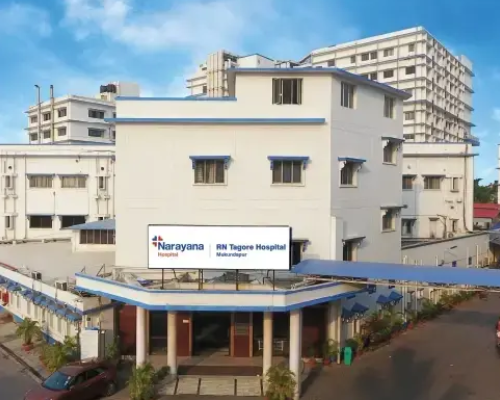 Multi-Speciality
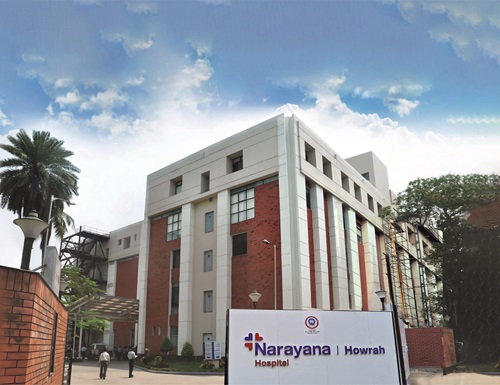 Super-Speciality
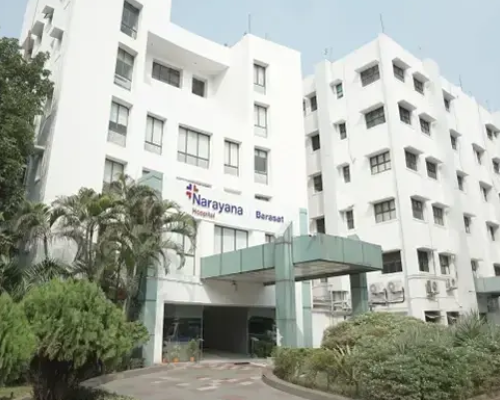 Super-Speciality


 --%3e %3csvg version='1.1' id='Layer_1' xmlns='http://www.w3.org/2000/svg' xmlns:xlink='http://www.w3.org/1999/xlink' x='0px' y='0px' viewBox='0 0 122.88 106.43' style='enable-background:new 0 0 122.88 106.43;' xml:space='preserve'%3e %3cstyle type='text/css'%3e .st0%7bfill-rule:evenodd;clip-rule:evenodd;%7d %3c/style%3e %3cg%3e %3cpath class='st0' d='M11.1,0h35.63c3.05,0,5.85,1.25,7.85,3.25c2.03,2.03,3.25,4.8,3.25,7.85v31.46h-3.19V12.18H3.15v75.26l0,0 h7.61v11.61c0,1.58,0.27,3.1,0.77,4.51H11.1c-3.05,0-5.85-1.25-7.85-3.25C1.22,98.27,0,95.51,0,92.45V11.1 c0-3.05,1.25-5.85,3.25-7.85C5.28,1.22,8.04,0,11.1,0L11.1,0L11.1,0z M94.95,33.45c-0.37-5.8-2.64-10.56-6.06-13.97 c-3.64-3.63-8.59-5.74-13.94-5.93l2.46,2.95c0.73,0.88,0.62,2.18-0.26,2.91c-0.88,0.73-2.18,0.62-2.91-0.26l-5.72-6.85l0,0 c-0.72-0.86-0.62-2.14,0.22-2.88l6.71-5.89c0.86-0.75,2.16-0.66,2.91,0.19c0.75,0.86,0.66,2.16-0.19,2.91l-3.16,2.78 c6.43,0.21,12.4,2.75,16.8,7.13c4.07,4.06,6.79,9.69,7.25,16.49l2.58-3.08c0.73-0.88,2.04-0.99,2.91-0.26 c0.88,0.73,0.99,2.04,0.26,2.91l-5.73,6.84c-0.72,0.86-1.99,0.99-2.87,0.29l-6.98-5.56c-0.89-0.71-1.04-2.01-0.33-2.91 c0.71-0.89,2.01-1.04,2.91-0.33L94.95,33.45L94.95,33.45z M122.88,59.7v35.63c0,3.05-1.25,5.85-3.25,7.85 c-2.03,2.03-4.8,3.25-7.85,3.25h-78.9c-3.05,0-5.85-1.25-7.85-3.25c-2.03-2.03-3.25-4.8-3.25-7.85V59.7c0-3.05,1.25-5.85,3.25-7.85 c2.03-2.03,4.79-3.25,7.85-3.25h78.9c3.05,0,5.85,1.25,7.85,3.25C121.66,53.88,122.88,56.64,122.88,59.7L122.88,59.7L122.88,59.7z M35.41,77.49c0,2.51-2.03,4.57-4.57,4.57c-2.51,0-4.57-2.03-4.57-4.57c0-2.51,2.03-4.57,4.57-4.57 C33.36,72.92,35.41,74.95,35.41,77.49L35.41,77.49L35.41,77.49z M37.88,51.75v51.49h72.82V51.75H37.88L37.88,51.75z'/%3e %3c/g%3e %3c/svg%3e)