-
 ERCP-MRCP
ERCP (Endoscopic Retrograde Cholangiopancreatography) and MRCP (Magnetic Resonance Cholangiopancreatography) are diagnostic imaging techniques used to evaluate the bile ducts and pancreas. ERCP involves passing a flexible tube through the mouth into the small intestine to inject contrast dye, while MRCP uses magnetic resonance imaging to create detailed images without the need for invasive procedures. Both are valuable in diagnosing conditions like gallstones, tumours, and pancreatitis.
-
 Capsule Endoscopy
Capsule endoscopy is a procedure that uses a tiny wireless camera to take pictures of your digestive tract. As the capsule travels through your digestive tract, the camera takes thousands of pictures that are transmitted to a recorder you wear on a belt around your waist. It helps doctors see inside your small intestine — an area that isn't easily reached with more-traditional endoscopy procedures. It is useful for detecting polyps, inflammatory bowel disease (Crohn’s disease), ulcers, and tumors of the small intestine.
-
 GI Surgery & Bariatric Surgery
Gastrointestinal (GI) surgery addresses disorders of the digestive tract, spanning the esophagus, stomach, intestines, colon, rectum, pancreas, liver, and gallbladder. Bariatric surgery, targeting obesity, alters digestive anatomy to enhance weight loss and metabolic health. Techniques include Endoscopic Sleeve Gastroplasty (ESG), Abdominal Wall Reconstruction (AWR), and Gastric Bypass Surgery, among others.
-
 Advanced Robotic & Laparoscopic Surgery
We specialize in minimally invasive procedures using small incisions and specialized instruments. Our surgeons perform appendectomy, cholecystectomy, hernia repair, and bariatric surgery etc with benefits such as reduced pain, shorter hospital stays, faster recovery, smaller scars, and lower complication risks. Discover robotic surgery options for cholecystectomy, gastrectomy, right hemicolectomy, sigmoid colectomy, and more.
-
 Colorectal Surgery & GI Cancer Surgery
Colorectal and gastrointestinal cancer surgeries tackle intricate digestive system conditions. Colorectal surgery, such as colectomy and colostomy, treats cancer and inflammatory bowel disease. Gastrointestinal cancer surgery removes tumors from organs like the stomach, pancreas, and liver, often combined with chemotherapy and radiation. Minimally invasive techniques improve recovery and outcomes in both specialties.
-
 Laser Surgery
Laser surgery is increasingly utilized for treating anal fistulas, fissures, haemorrhoids (piles), and pilonidal sinuses. This minimally invasive approach offers precise tissue removal, reduced pain, and faster healing compared to conventional surgery. Laser energy effectively seals blood vessels, minimizing bleeding and promoting tissue regeneration, making it an attractive option for patients seeking quicker recovery and improved outcomes.
-
 Liver Transplant
The Liver Transplant team at Narayana Health is among the most experienced in India. We offer treatment for end-stage liver disease (liver cirrhosis), unresectable liver tumour or metabolic liver disease; meeting the criteria for liver transplant. The team has extensive experience of doing complex hepatobiliary surgery for both benign and malignant diseases using open and laparoscopic approach.
-
 Day Care Procedure
Daycare procedures for liver banding, endoscopic variceal ligation (EVL), hemoclip placement, endoloop application, polypectomy and argon plasma coagulation (APC) etc involve minimally invasive techniques performed on daycare basis. These procedures are used to treat conditions such as variceal bleeding, haemorrhoids, and gastrointestinal lesions. Patients typically experience minimal discomfort and can return home the same day, with short recovery periods and low complication rates.
-
 Others High end procedure
Peroral Endoscopic Myotomy (POEM) | Transjugular Intrahepatic Portosystemic (TIPS) | Liver Resection Surgery | Cytoreductive Surgery with Hyperthermic Intraperitoneal Chemotherapy (HIPEC) | Pancreaticoduodenectomy (Whipple Procedure)


 Multi-Speciality
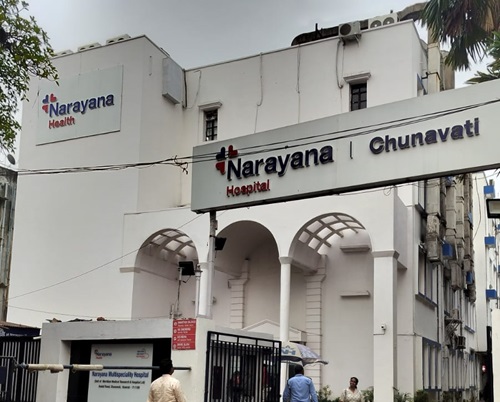 Multi-Speciality
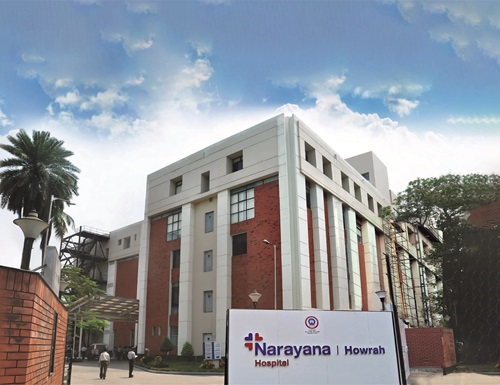 Super-Speciality
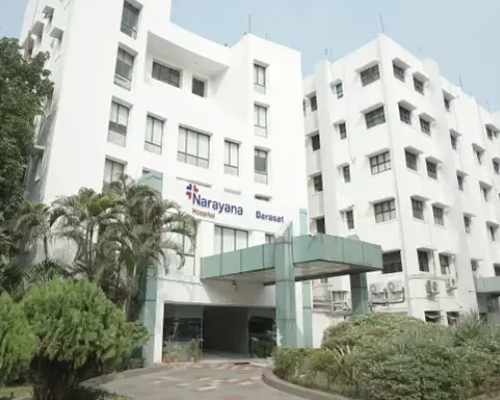 Super-Speciality
 --%3e %3csvg version='1.1' id='Layer_1' xmlns='http://www.w3.org/2000/svg' xmlns:xlink='http://www.w3.org/1999/xlink' x='0px' y='0px' viewBox='0 0 122.88 106.43' style='enable-background:new 0 0 122.88 106.43;' xml:space='preserve'%3e %3cstyle type='text/css'%3e .st0%7bfill-rule:evenodd;clip-rule:evenodd;%7d %3c/style%3e %3cg%3e %3cpath class='st0' d='M11.1,0h35.63c3.05,0,5.85,1.25,7.85,3.25c2.03,2.03,3.25,4.8,3.25,7.85v31.46h-3.19V12.18H3.15v75.26l0,0 h7.61v11.61c0,1.58,0.27,3.1,0.77,4.51H11.1c-3.05,0-5.85-1.25-7.85-3.25C1.22,98.27,0,95.51,0,92.45V11.1 c0-3.05,1.25-5.85,3.25-7.85C5.28,1.22,8.04,0,11.1,0L11.1,0L11.1,0z M94.95,33.45c-0.37-5.8-2.64-10.56-6.06-13.97 c-3.64-3.63-8.59-5.74-13.94-5.93l2.46,2.95c0.73,0.88,0.62,2.18-0.26,2.91c-0.88,0.73-2.18,0.62-2.91-0.26l-5.72-6.85l0,0 c-0.72-0.86-0.62-2.14,0.22-2.88l6.71-5.89c0.86-0.75,2.16-0.66,2.91,0.19c0.75,0.86,0.66,2.16-0.19,2.91l-3.16,2.78 c6.43,0.21,12.4,2.75,16.8,7.13c4.07,4.06,6.79,9.69,7.25,16.49l2.58-3.08c0.73-0.88,2.04-0.99,2.91-0.26 c0.88,0.73,0.99,2.04,0.26,2.91l-5.73,6.84c-0.72,0.86-1.99,0.99-2.87,0.29l-6.98-5.56c-0.89-0.71-1.04-2.01-0.33-2.91 c0.71-0.89,2.01-1.04,2.91-0.33L94.95,33.45L94.95,33.45z M122.88,59.7v35.63c0,3.05-1.25,5.85-3.25,7.85 c-2.03,2.03-4.8,3.25-7.85,3.25h-78.9c-3.05,0-5.85-1.25-7.85-3.25c-2.03-2.03-3.25-4.8-3.25-7.85V59.7c0-3.05,1.25-5.85,3.25-7.85 c2.03-2.03,4.79-3.25,7.85-3.25h78.9c3.05,0,5.85,1.25,7.85,3.25C121.66,53.88,122.88,56.64,122.88,59.7L122.88,59.7L122.88,59.7z M35.41,77.49c0,2.51-2.03,4.57-4.57,4.57c-2.51,0-4.57-2.03-4.57-4.57c0-2.51,2.03-4.57,4.57-4.57 C33.36,72.92,35.41,74.95,35.41,77.49L35.41,77.49L35.41,77.49z M37.88,51.75v51.49h72.82V51.75H37.88L37.88,51.75z'/%3e %3c/g%3e %3c/svg%3e)