 Book Online Consultation


This is a leak caused by a space between the patient's mechanical/bioprosthetic valve and the surrounding tissue.it most commonly affects the Mitral valve, but can also occur in the Aortic and Tricuspid valves.
By clicking Submit, I agree to have read & understood the Terms & Conditions and Privacy Policy of Narayana Health & give my consent to contact me.
A paravalvular leak is suspected if the patient has had a heart valve replacement and shows signs and symptoms of heart failure. The symptoms include shortness of breath, swelling in their legs and feet, fatigue, palpitations (awareness of one's own heart beat). Smaller paravalvular leaks may just present with symptoms of anemia caused by hemolysis due to the destruction of the red blood cells going through the defect between the artificial valve and the surrounding tissuewhich may require frequent blood transfusions, Echocardiography (Echo) is used to diagnose a paravalvular leak. Special types of echo, such
Transoesophageal echo (TEE) 2-D or 3-D echo may be needed to confirm the diagnosis.
This type of leak was traditionally repaired by a redo open heart surgery which itself entails a higher risk. Today, however, Interventional Cardiologists can use nonsurgical catheter-based treatment techniques to correct these leaks with various devices that plug this leak.
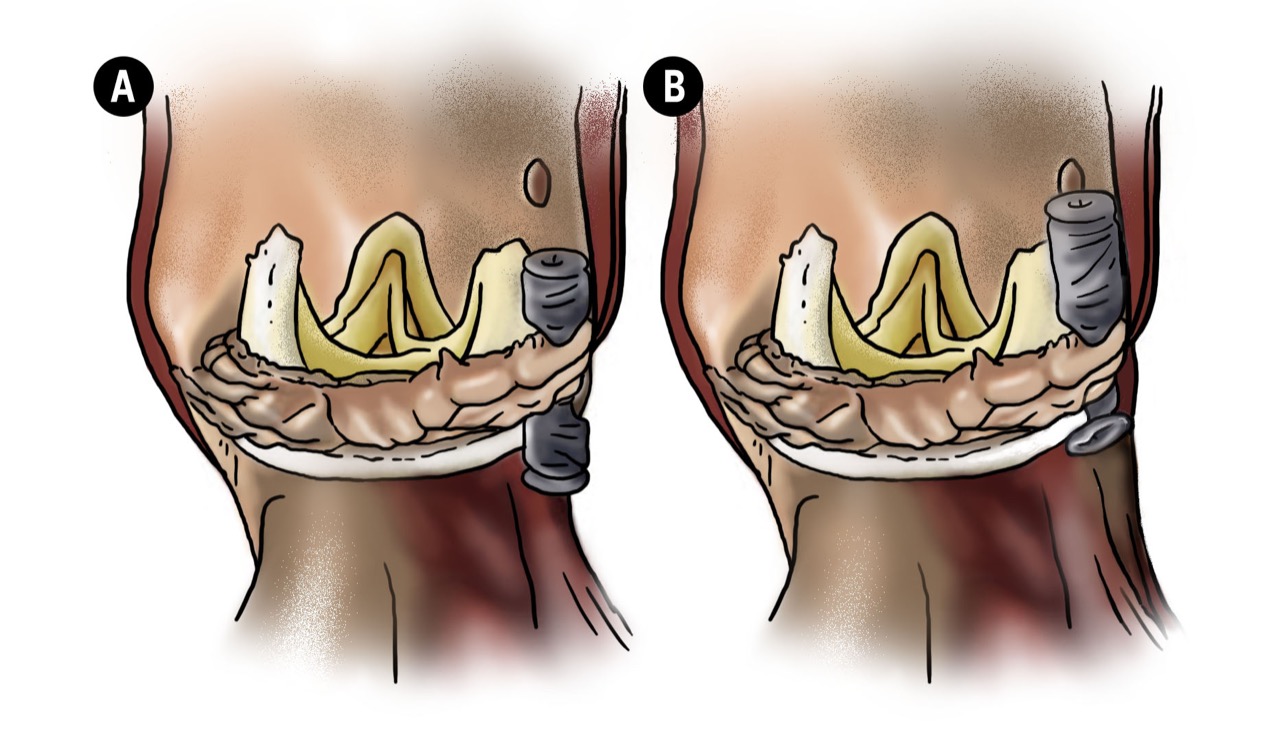
Outcomes After Paravalvular Leak Closure
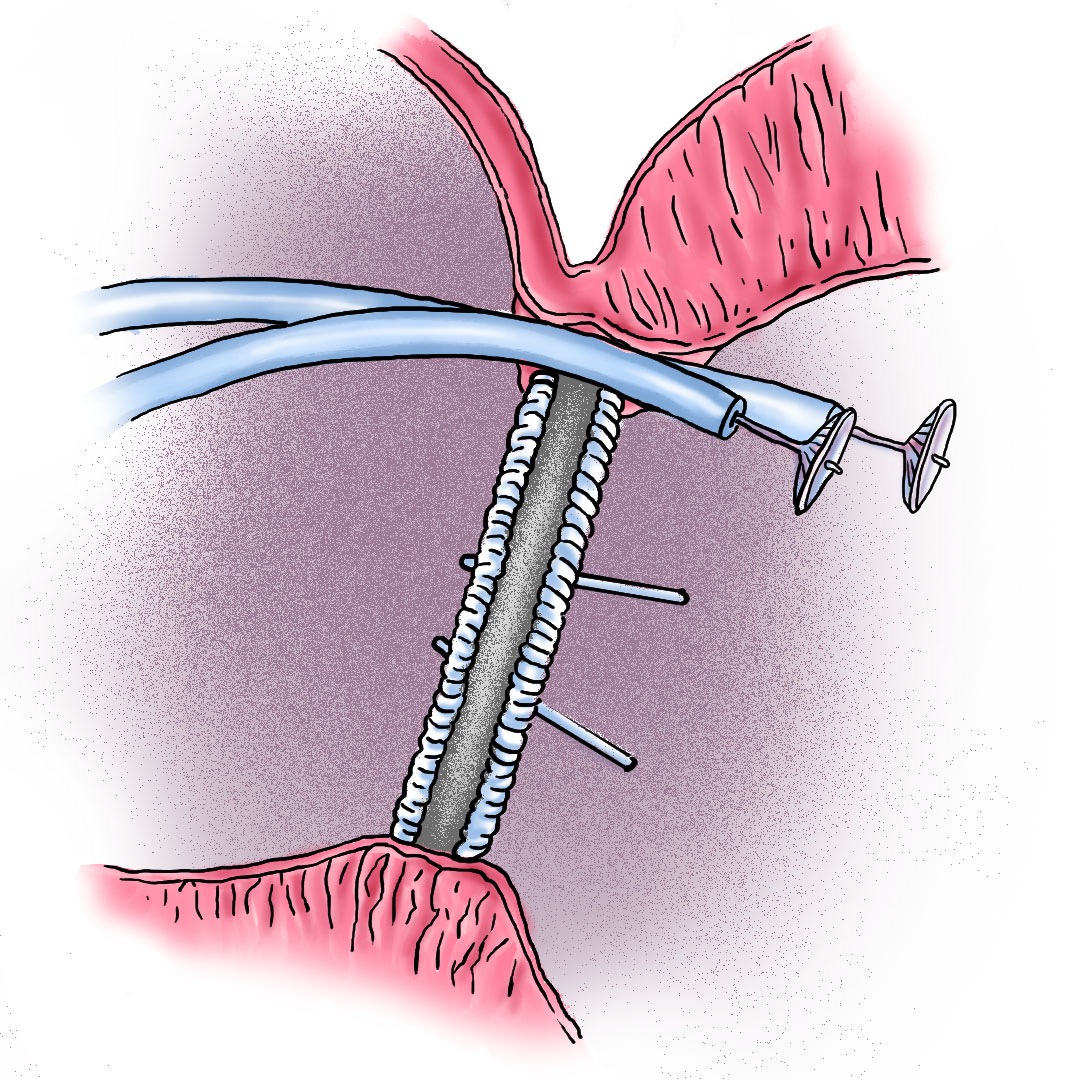
In case the paravalvular leak is large for a single closure device, two delivery catheters can be advanced through the defect and two closure devices can be deployed simultaneously.
The procedure entails a catheter which is inserted by a key hole opening in the groin (leg) reaching the heart, whilean apical approach may be needed depending on the valve involved and the position of the leak, where the catheter is placed into the left side of the heart, through the chest wall, and a special catheter is used to place a closure device around the leak. In most cases, the procedure is done using a combination of local anaesthetic and conscious sedation. At Narayana Hrudayalaya, Bangalore this procedure is done in a catheterization lab and for the Apical approach in a special Hybrid procedure room.
Dr. Uday B Khanolkar, Senior Interventional Cardiologist at Narayana Hrudayalaya, Bangalore hassuccessfully performed numerous paravalvular procedures over the years. This procedure is an effective and less invasive treatment than surgery with a shorter hospital stay and early symptomatic relief.

Founded in 2000 by renowned cardiac surgeon Dr. Devi Shetty, Narayana Health is one of India’s largest hospital networks with hospitals and heart centres across the country and an international hospital in the Cayman Islands. The group’s facilities provide advanced medical care in over 30 medical specialities for all ages.

