Book Online Consultation


When it comes to comprehensive cardiac care, experience matters. Narayana Health combines some of the most experienced specialists in the region with world-class facilities to provide advanced Transcatheter Aortic Valve Replacements.

By clicking Submit, I agree to have read & understood the Terms & Conditions and Privacy Policy of Narayana Health & give my consent to contact me.
Aortic stenosis is a narrowing of the valve between the heart and the aorta. This is often caused by the build-up of calcium (mineral deposits) on the aortic valve’s leaflets. When the valve cannot fully open, less oxygen-rich blood flows to the body. This forces the heart to work harder to pump blood and eventually can lead to heart failure. The symptoms of aortic valve stenosis include chest pain, lightheadedness, dizziness, fatigue, and shortness of breath.
This minimally invasive surgical procedure repairs the valve without removing the old, damaged valve. Instead, it wedges a replacement valve into the aortic valve's place. The surgery may be called a Transcatheter Aortic Valve Implantation(TAVI) or Transcatheter Aortic Valve Replacement (TAVR). Somewhat similar to a stent placed in an artery, the TAVR approach delivers a fully collapsible replacement valve to the valve site through a catheter. Once the new valve is expanded, it pushes the old valve leaflets out of the way and the tissue in the replacement valve takes over the job of regulating blood flow.
There are two different approaches to the TAVR procedure, and the cardiologist or surgeon chooses the one that provides the safest way to access the valve:
This fairly new procedure is FDA approved for people with symptomatic aortic stenosis who are considered an intermediate/high-risk patient for standard valve replacement surgery. In valve replacement, the chest is surgically separated (opened) for the procedure, but the TAVI or TAVR procedures can be done through very small openings that leave all the chest bones in place. People undergoing this procedure can experience an improved quality of life who otherwise face an intermediate risk with an open heart procedure.
Narayana Multispeciality Hospital, Mysore, Bengaluru was established with the vision to make high-end quality healthcare, including tertiary care facilities affordable and accessible to all.
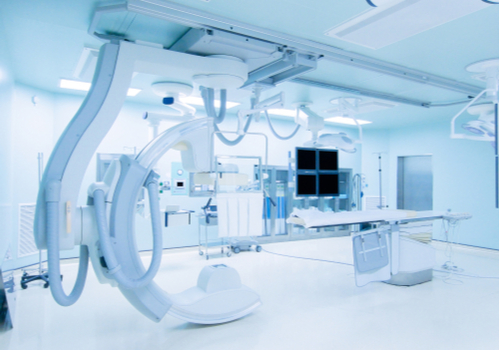
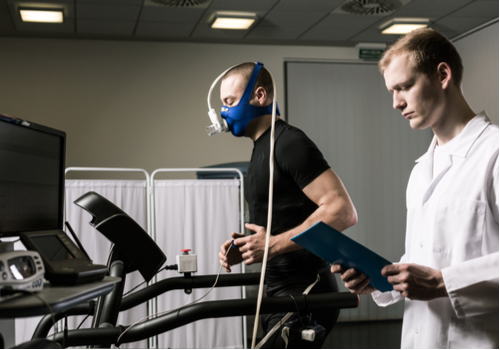
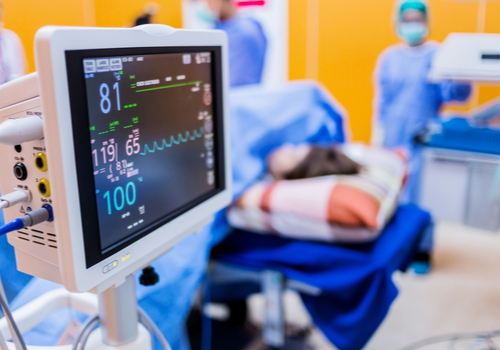
Some of the Key facilities offered at Narayana Multispeciality Hospital, Mysore are specialized Cardiac OTs, Digital Cathlabs, a Hybrid Cath lab, State-of-the-Art CCU, an 80 bed PICU – One of the largest in the world, Heart Failure Clinic, Cardiopulmonary Exercise Test (CPET) Facility, Valve Repair Clinic, Adult Congenital Heart Diseases Clinic and Electrophysiology Centre.

Founded in 2000, Narayana Health is one of India’s largest hospital groups with hospitals and heart centres across the country and an international hospital in the Cayman Islands. The group’s facilities provide advanced healthcare in over 30 medical specialities to both adults and children.